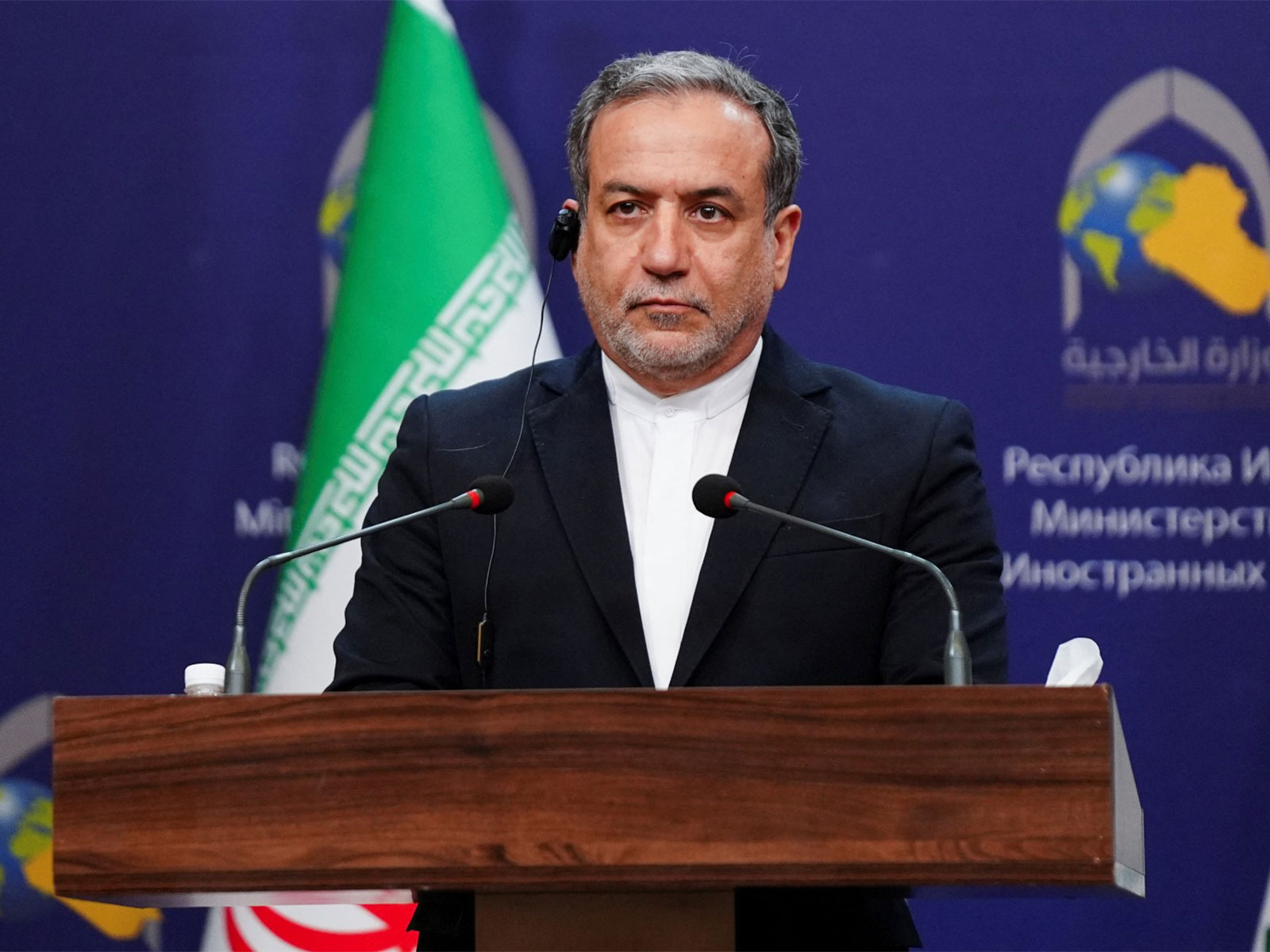
US bombs Iran as Kuwait comes under attack testing fragile ceasefire
Iran continues its chokehold on Strait of Hormuz, disrupting global energy supply and driving up the price of fuel.
PTI
-
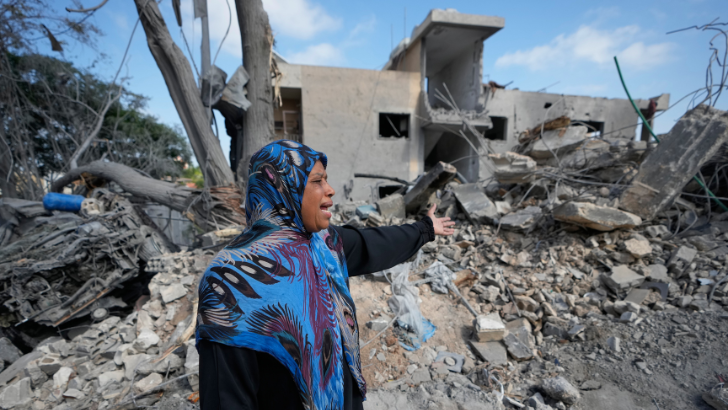
Israel has extended its occupation deep into Lebanon, and Hezbollah (PTI)
Dubai, 1 June
The United States said Monday that it bombed radar and drone
sites in Iran after Tehran shot down an American drone over the weekend. Iran
then said it launched a strike of its own, and Kuwait reported incoming fire. The
nominal ceasefire between Iran and the US has been repeatedly tested with such
back-and-forth attacks, even as officials from both countries try to negotiate
an end to the war.
It's not clear how close they are to a deal — and there is
always the risk that an attack could derail those talks.
In the meantime, Iran has maintained its chokehold on theStrait of Hormuz, disrupting global energy supplies and driving up the price of
fuel around the world, with far-reaching consequences.
Fighting has also escalated between Israel and the Lebanese
militant group Hezbollah, despite their nominal ceasefire. Israel has extended
its occupation deep into Lebanon, and Hezbollah — which joined the war in
support of its main backer, Iran — continues to launch drones into Israel.
The US military's Central Command said it carried out the
strikes in Iran on Saturday and Sunday around the city of Geruk and on Qeshm
Island. “The measured and deliberate strikes occurred ... in response to
aggressive Iranian actions that included the shootdown of a US MQ-1 drone that
was operating over international waters,” Central Command said.
“US fighter aircraft swiftly responded by eliminating
Iranian air defences, a ground control station, and two one-way attack drones
that posed clear threats to ships transiting regional waters.”
Kuwait said its air defences opened fire early Monday
morning to intercept incoming drone and missile fire.
Around the same time, Iran's paramilitary Revolutionary
Guard said it responded to an American attack without saying where, likely
referring to the attack on Kuwait. In a statement carried by the state-run IRNA
news agency, the Guard said that US forces had targeted a telecommunications
tower. Kuwait is home to US Army Central, the Mideast forward command for the
Army. While the US Air Force no longer flies the MQ-1 Predator, the US Army
still does.
Iranian state television later shared footage of the
ballistic missile launch, including a close-up showing a sticker on its body
depicting a bruised US President Donald Trump overlaid on a “closed” Strait of
Hormuz with the caption: “Until the last American soldier leaves the region.”
The attacks represent the latest escalation between the US
and Iran. Over the weekend, the US fired a missile into the engine room of a
Gambia-flagged cargo ship trying to break its blockade of Iranian ports.
A trickle of ships has made it out of the strait, through
which a fifth of all traded oil and natural gas once passed, but pressure
continues on global energy supplies, as well as on chemical fertiliser. That
has led to fears of food shortages. The Gulf region produces 30% of globally
traded chemical fertilisers.
Trump met with advisers on Friday but has yet to decide on
whether to move ahead with a deal to extend the ceasefire and reopen the
strait. Iran has said the deal had not been finalised. The US and Israel
launched the war with strikes on Iran on 28 Feb. Trump has offered shifting
goals for the conflict, although preventing Iran from building a nuclear weapon
is among them.
Iran has insisted its nuclear programme is peaceful, though
it has enough highly enriched uranium to build several nuclear weapons, should
it choose to do so. US Vice President JD Vance suggested last week that
negotiators are trying to strike general terms on Iran's nuclear program, with
the specifics to be hammered out in the ensuing talks.
Iranian Foreign Ministry spokesperson Esmail Baghaei on
Monday again accused the US of “constantly” changing its positions.
“From the beginning, we knew — and we continue to know —
that we are negotiating in an atmosphere of mistrust," Baghaei told
journalists.
Trump expressed optimism about the talks in a post on his
Truth Social platform early Monday in Washington.
“Iran really wants to make a deal, and it will be a good one
for the USA and those that are with us,” he wrote. “Just sit back and relax, it
will all work out well in the end — It always does!”
Share Now

Leave a Reply
Your email address will not be published. Required fields are marked *
Other Stories
.jpg)

.png)